Showing posts with label buddhism. Show all posts

Friday, November 09, 2007

What Riding a Bike in the City Can Teach You

One of my favorite things about living in Japan is not needing a car. I have never been interested in cars, and I don't really enjoy driving. Sometimes Japanese people will tell me that one of their hobbies is "driving", but for me speeding down an asphalt road in a big hunk of metal with other bigger hunks of metal just inches away also moving at high speeds, it's just not my idea of relaxing.

Instead, I ride my bicycle just about every day of the year. I can get to any part of the city in under a half hour on my bike, often faster than a car. And over time I've learned a lot from riding a bike. These lessons also apply to a well-lived life, and so I'll share them with you now!

Lesson 1: Get off the rails! Back in the early 90's when video games didn't have a lot of processing power, there was a genre called "Rail Shooters." In these games you had a spaceship or a dragon or something, and you were traveling along a path through a stage, shooting at the bad guys. You could move up and down, and strafe to the left or right, but these only gave the illusion of freedom. In reality, you were just on a rail, like a Disney world ride. Here's one of the more egregious examples, StarFox.


Needless to say, these games sucked, and were eventually replaced by games in which you could fly any direction you wanted.

Driving in a car is very much the same experience for me. You're stuck on a track, looking through a big sheet of glass, watching the world go by like so much background scenery in one of those rail shooters. And you can't even shoot anything. Well, you could, but it would end up being a short trip.

On the other hand, on a bicycle the city becomes your playground. Everything is open to you... One-Way streets, red lights, back alleys, jogging paths, shopping streets, these all add to the fun. There is room for variation and creative solutions. I'm sure everyone has had the experience of driving, slipping into a kind of hypnosis, and snapping out of it, finding you have arrived at your destination without even remembering the trip. This has never happened to me on a bicycle. The mind is alert, working, and solving problems.

I think some people kind of have a life on rails. They've locked themselves into situations at work or at home where variation is impossible. Starting the studio was one way we tried to bring more freedom into our lives. Maybe for you the solution doesn't have to be as drastic as opening your own business, maybe just starting a new hobby, going to a place you never thought you'd like, or just putting the left sock on first will be enough to get the brain juices flowing again?

Lesson 2 : When seeking a goal, be flexible and keep the overall picture in mind. Let's say I want to ride my bike to Yokohama station. I always have in mind the arrival point of Yokohama station, but how I get there is not set in stone. For example, if I hit a red light (that I can't blaze through) I'll happily take a left or right and cross the street at another point when the light goes my way. Or sometimes it's just the opposite. The light will be green and it will look like a good chance to get closer to my goal, but by taking the light at that point I'll hit a mass of businessmen getting off the subway which will ultimately take longer than passing on the green and using another route. I've found that what looks like the most direct route on a map is often not the fastest.

When you have a goal, it will rarely turn out that everything goes your way and you can zip right to it. Be ready to take some right turns. Just because your not moving directly towards it doesn't mean that you're not still moving towards it! And also be wary of easy chances for quick gain at the expense of the overall destination point.

And lastly, speed isn't everything. Sometimes I will choose a longer route because it goes down a tree-lined street, a lively part of Chinatown, or past some graffiti I like. Enjoying your life is the ultimate goal after all!
Lesson 3 : Not being attached doesn't mean you don't try. I have written a lot in this blog about the Buddhist idea of "non-attachment" as the key to lasting happiness. But sometimes people take this to mean a laissez-faire approach to life in which you just float along in a kind of haze. That's absolutely the wrong way to approach this, and I've found a great illustration of this on my bicycle which I've been eager to share with people.

On one of my usual bike routes, there is a long street from which you can see the traffic light at the end from really far away. This happens to be a long light without any of those options to zig-zag that I discussed above. So, I can see from a few hundred yards that the light is green. I know that if I pedal hard I have a chance to get across, which will really help me out, as I can get to my destination faster and get on with my day.

So I dig in and go for it, weaving through pedestrians and narrow street like an X-wing through the Death Star. And sometimes I make it through just as the light turns yellow, but often the light turns red before I reach it, and I'm stuck at the corner.

Now here is where the attachment comes in. If I've really built up the idea that I'm going to make the light, get to where I'm going early, have more time to do my stuff, and therefore have a more fulfilling and relaxing day, when I hit the red it's a little upsetting, I might even curse under my breath. On days when my mindfulness isn't really engaged this often happens. But, on a more mindful day, I'll miss the light, and just let it go, coming back to the present moment (as opposed to that fantasy where I got there early and had a more relaxing day) and enjoy the sun, look at the things in the window of the corner shop, and watch the people on the other side of the street going about their day. Much healthier!

But you'll notice that in both situations, I still pedal hard to make the light. Being non-attached to outcomes doesn't mean you just throw in the towel and meander through the streets. Go for it! But if it doesn't go your way let it go just as easily as if you had made it. This is really tough and if you're like me you'll often find yourself almost faking non-attachment, saying to yourself "I didn't really care anyway" when inside you're still churning about the incident. Those times when you honestly and completely let go of attachment are so wonderful and good signs of progress!

Lesson 4 : Don't invest too much in the vehicle. I've never spent more than 120 dollars on a bicycle. Bikes get stolen, run over, and break down, especially the way I ride them. A bicycle or a car is just a way to get somewhere. Maintain them, be good to them, but don't cling to them.

Of course this is also a Buddhist idea, often formulated as "Leave the raft behind." The Buddha didn't want his followers to be attached to him or his practice too much. He compared the Buddhist path to a raft you use to cross to the far shore of a river. When you get there, you would be crazy to pick up and and start carrying the raft! You leave it behind, for it has served it's purpose and is no longer useful. This same light touch should be applied to our spiritual path, whatever it may be. As we can see any day from reading the international headlines, investing too much in your particular religion leads to violence and bloodshed.

However, some people take this to mean that their bodies are also just another vehicle that we shouldn't spend too much time on. Ascetic philosophies stresses this point a lot, with the idea being to transcend the impure, worldly body in favor of the pure mind.

For me, this is a serious mistake. You aren't a little person inside your head "driving" your body around, able to transcend it if you try hard enough. You are your body. I'll say that again, You Are Your Body. Your brain and the rest of you are completely interdependent. Taking care of your mind/body is the single most important thing you can do in your life. Part of this means exercise, part of it meditation, healthy diet, stress reduction, good sleep, and surrounding yourself with a good community of people.

A great way to get a headstart on all of those things is getting out of the hunk of metal with wheels and into the open air on a bicycle! So, see you on the roads, I'll be the one pedaling past you as you wait in traffic!

Patrick

Yoga Garden

Sunday, August 12, 2007

Stop Saying This to Me!!!

I usually don't complain about things, but today, I'll share with you something that gets under my skin and has been happening a lot recently.

I meet somebody, I say, "Hello, what's up?"
They say, "Not much, how about you?"
I say, "I'm cool, thanks"
They say, "That's great, but you look so tired."

"Oh, you look so tired" I must hear that 4 or 5 times a week. I think I hear it more than most people because of a simple genetic quirk which you can see in this photo from my childhood:

Now in this photo, I am two or three years old, and you can see that I have little wrinkles under my eyes, with some dark shading under the wrinkles. I can assure I was not a tired, overworked 2 year old, and that this stuff under my eyes is just part of my face. Here's a more recent picture of me, and you can see I've kept the baggy eyes...
So I understand why people think I "look tired." And I think that usually the speaker is trying to say that I am a hard worker and it's good that I'm busy. But let's just think about the two possible outcomes of saying, "Oh, you look so tired"

  • Situation 1: You really are tired, you've been working your ass off, or your sick, or you're having some kind of tough emotional situation and you're not sleeping well. In which case, do you really want to hear that you look as bad as you feel? Would you ever say to someone struggling with their weight, "Dude, you look fat?"
  • Situation 2: You're actually feeling pretty good. Maybe like me you have baggy eyes, or you went to a great party the night before and are still feeling good. So you're bopping along, and suddenly you hear "You look so tired", which basically says, "You sure don't look as good as you feel." So you're thinking, damn, if they say I'm looking tired when I feel good, I must really look like crap when I'm actually tired!
So you can see that in either situation hearing the news that "you look tired" is a total downer. In both cases the net feeling is a (-). So why say it at all? I present now an alternative, which is to find something positive to say. Someone's always got a good point going on, be it their hair, their clothes, something good that has happened to them recently, or just the fact that you're happy to see them. Let's look at the situations again.

  • Situation 1: You feel terrible. But someone says, "Hey, that shirt really suits you." All of a sudden your whole mindset changes. Yeah, you're life is going down the toilet, but hell, you've got a shirt that really suits you! You're actually pretty damn cool.
  • Situation 2: You're feeling great. Someone says, "Those shoes are awesome, where'd you get them?" You're feeling even better! Of course she likes your shoes, what's there not to like, you're such a hip and happening person!
So, either situation results in a positive (+) outcome, just from a few kind words.

Of course we all know this. From childhood we're taught the lesson that "If you can't find something nice to say don't say anything at all." But I would like us to take a less school-marmish approach to this rule of thumb.

Really, it's all about Right Speech, one of the tenants of Buddhism's Eightfold Path to wisdom. Right Speech is much, much subtler than being honest, or not gossiping. It's about being aware of the implications of your speech, however small. In itself, "You look so tired" is not a mean thing to say, in fact it could come from a place of compassion. But we need to step back and try to consider how our words will be heard from the other end, like we've done in our Situation 1 and 2 above. This is moving towards mindful speech, which, if practiced daily, will transmute into Right Speech.

We all have our own communication styles that hurt others without us even knowing it. For example, when I am teaching a beginning yoga student I give them a lot of encouragement and positive feedback, but as they progress and get fitter and more flexible, I give them more criticism and technical details. As a result, one student told me recently that in fact he felt he was getting worse, when just the opposite is true, simply because I hadn't told him how great he was doing recently.

So let's pay a little closer attention to how our language affects those around us and try to introduce as many (+s) into the day as possible!

Now I'm going to sleep, cause, man... I look tired.

Patrick


Yoga Garden

Saturday, May 12, 2007

Where the #$^% Are My Grounds!!!?

A few days ago I returned from a short trip to the US. I got back to Yokohama around 4:00 pm and had appointments straight through until 9:30 pm that evening. So I did all that and it was about 10:00 and I remembered that I didn't have any food in the apartment because I had cleaned out the refrigerator before my trip. So I went by the only place open at that time of night, a store with the implausible name of Don Quixote.

If you don't know, Don Quixote is like a very small Walmart on crack cocaine. The ten foot high shelves are literally sagging under the weight of anything anybody might want to buy. Steering wheels, kitchen knives, weight loss pills, ropes for bondage sex, dehumidifiers, disco lights, food... it really is an amazing place. The thing is all of this happens under a cacophony of thundering mismatched music. I guess in an effort to keep things funky, in place of a central music system they just put stereos on top of the shelves every 20 feet or so and turn those things up. And all the stereos play a different CD. So, it's like Heavy Metal, Japanese Rap, Balinese Gamelan music, all kinds of crazy #^&* punctuated every once in a while by the shrill maniacal Don Quixote theme song, sung by a Japanese woman trying to do a cabaret riff with the lyric "Don don don, don don, don Qui-ooooooote!"

So, I had been awake for like, 28 hours, and I just wanted some bread, milk, eggs, and coffee so I'd have something to eat for breakfast the next morning. I just wasn't feeling the Don Quixote ambiance that night so I tried to get out of there as quickly as possible, I grabbed the last bag of bread, a small milk pack, a half dozen eggs, and a bag of coffee that would get me through the next few days until I could get something better. I blistered through the place, hopped on my bicycle, and got home around 10:30. I didn't even brush my teeth, just went to sleep.

Fast forward to 4:00 am the "next" day. I'm laying in bed wide awake. Ah, the joys of jet lag. But I wasn't too upset about it because I had a lot to do and figured I might as well take advantage of a wacked out body clock and get some things done. So I stumble out of bed in the dark, turn on the lights, turn on the computers, put a coffee filter in the coffee maker, put some scoops of the coffee I bought the night before in the coffee filter, turn on the coffee maker, and go to the bathroom for all that morning stuff you have to do.

When I came out of the bathroom the coffee was almost done, and I noticed that it was a really thick and black. But I figured that would be as good as anything considering my exhausted/wide awake state, so I added my milk and sugar, and went to catch up with my emails.

But let me tell you, that coffee tasted nasty! It was too strong to drink. I kept telling myself it wasn't that bad, and got through about half a cup. But then I got to thinking that I had bought a new brand the night before and it must have stronger beans or something. I must have put too many scoops in. So I decide to try again. I got out the coffee, opened the compartment to take out the old filter, and what do I see? Nothing.It was just an empty filter. There weren't any grounds in it. There weren't any grounds anywhere. Not even along the sides where you can find them if the filter breaks or something. It was as if the water had gone through an empty filter and come out strong, sludgy, black coffee. So, I was a little freaked out. Sometimes, trying to be efficient, I take the used filter out just after the coffee is done and throw it away while it's still hot. Had I done that this morning and forgotten about it? And put a new filter in? But wait, the filter in the coffee maker was wet. So the water must have gone through that filter. But where the #*$& were my grounds!!? Maybe they had all been sucked into the coffee maker. Great, I'd probably have to get a new one. That would explain the bad taste at least. So I'm like turning the coffee maker upside down trying to find the grounds. Nothing. The only other answer had to be that I had actually taken out old filter, threw it away, put in a new one that had somehow gotten wet in the process. But I didn't remember doing that.

I felt like I was losing my mind. So I actually searched through my garbage can, looking for that original filter with the grounds. Nothing. So finally I'm just standing at the counter in the dark, in my boxer shorts, 4 am, totally paralyzed. Was I still dreaming? I always thought it was so stupid when people say that in movies, but I'll be less hard on them now, because when you're in a situation where nothing makes sense that "Am I dreaming line" becomes the only rational explanation. And if it was a dream, it was the realest dream of my life, and if I was going to have the realest dream of my life, why in the hell would I dream about this.
After a while I found the bag the coffee had come in, and everything became clear. In my sleep deprived state, I had bought instant coffee at Don Quixote. It came in a bag and looked just like regular ground coffee, but the back clearly showed an illustration of the coffee being stirred into hot water. So I had put instant coffee in the filter, the hot water had mixed in, and the whole shebang had dripped through and left a wet empty filter.

What does this have to do with anything? Well, I hope it's not too much of a stretch to say my early morning misadventure parallels the entire human experience. Most people, at some point in their lives, feel that something is missing. We have a million different ways of saying it. We're searching for meaning, for happiness, for the perfect job, for our destiny. We're trying to become a good person, a more peaceful person, a more important person. We're trying to get rich, or feeling guilty for trying to get rich, or feeling guilty about feeling guilty for trying to get rich.

This searching for that missing thing is neurotic. It makes us do strange things, like searching through the garbage at 4 in the morning. I would argue that every misery, jealousy, and violence stems from someone feeling like they needed something that they couldn't find. And here's the real kicker; that thing we are looking for is easy to find. My coffee grounds that I couldn't find anywhere were actually dissolved into the coffee I had been drinking. I had them the whole time.

So however you call it, peace, wisdom, god, happiness, whatever, take a few moments from time to time and ask yourself how much of it is already here. I'm not pitching the lame "don't take things for granted" line. The whole, "those summer days of my junior year, they were the best days of my life" crap. What your looking for isn't always sweet. Sometimes the coffee tastes really gross. But once you know you already have what you're looking for you can take some real action. For me, once I had a clear understanding of what had happened I could get out of the trashcan and get on with my day. Some people call this calm, clear understanding mindfulness. If you want to get some more of that in your life then go here.

Thanks for reading.
Patrick

Yoga Garden

Sunday, April 01, 2007

My Little Friends

It's spring! Warm weather, blooming trees, life is everywhere. And that includes bugs.

People have a strange relationship with bugs. There is an instinctual fear of insects, which I think comes from the fact that they seem so different from us. Too many spindly little legs, small beady eyes, scary waving antennae. And they are so small, and so unlovable.

This difference in size and cuteness results in a lot of squishing. And some people take pride and joy in the squishing, especially of mosquitos and cockroaches.

But here's a different perspective. This is a chart of all of the Kingdoms of life today. Please enlarge by clicking on it if it's hard to read.As you can see, there are three main Superkingdoms, The Bacteria, Archaea, and Eucaryota, within these are the regular Kingdoms. Humans, of course, are on the Animals branch (animalia). Where are the insects? Surely they must be pretty far from the animals, maybe even another Superkingdom...?

Actually, they're Animalia too! So on that big tree, with all those lines, we and the insects share the same little branch. From this perspective, we're practically cousins.

One of the ideals of Buddhism is to reduce suffering in the world. Killing a lifeform results in suffering, so naturally Buddhists try to avoid killing stuff whenever possible. Notice that the phrase is reduce suffering and not eliminate suffering. To be alive is to cause, (and receive) suffering. Even as I type this, my immune system is killing viruses left and right. Everytime I wash my hands I kill off thousands of microbes and bacteria. And of course, sitting down to a healthy vegetarian lunch includes the decapitation of a head of lettuce, tearing away the life giving umbilical cord of a tomato, and ripping some poor carrot from it's underground home to be cut up into little pieces on my chopping board.

Of course, you could stop eating, take a drug to suppress your immune system, and never wash, but then you would die, which would just be more suffering.

This gets to the idea that to be alive is to participate in suffering to some extent. But we can make choices that reduce suffering in small ways. I think it's safe to say that chopping up a head of lettuce results in less pain than chopping up a cow.

Anyway, vegetarianism is a blog for another time, what I want to talk about here is bugs.

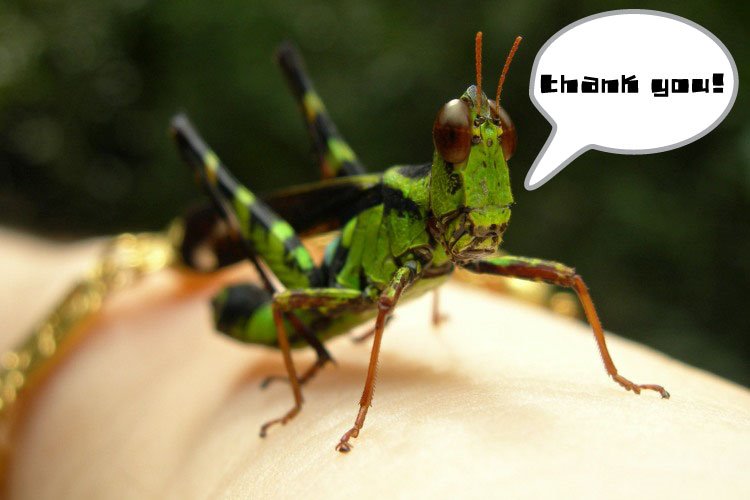
Don't squish bugs! Even gross ones. They didn't do anything to you. Take a closer look at them, and you'll see that they are amazing little animals that are really loveable once you get used to their little quirks.

I know this sounds crazy to some people, and these are the usual objections I get to my "don't squish bugs" sermon.

  • Insects are dirty. Actually, there are more germs in the human mouth than on a cockroach or any other bug. Cockroaches, for example, are really quite clean animals, on par with a cat.
  • Insects are pests and parasites. It's true, many insects use you for their own purposes. Dust mites eat your dead skin, mosquitos incubate their eggs in your warm blood. But let's put this into perspective. Jonas Salk, the man who developed the polio vaccine, once said "If all the insects on earth disappeared, within 50 years all life on earth would disappear. If all humans disappeared, within 50 years all species would flourish as never before." Who is the real parasite? I'm not saying that we should be exterminated, Matrix-style, just that in the big scheme of things, we take a lot more from this planet than that mosquito takes from us.
  • It's just one bug, what's the difference? This is true, squishing that bug doesn't make any difference. But challenging yourself to have compassion for even small ugly creatures will have a big effect on you. And it feels good when you take an extra 30 seconds and help a lost bug get to the outdoors!
I'm not trying to say bugs are more important than humans. The last time I killed a bug was in autumn when one mosquito had bitten me about 12 times all over my face, and had kept me up for about 2 hours. She was resting on the wall, full of blood, and I smacked her with a book. But before that smack I really thought about what I was going to do, and after it I wished the bug the best, and, now I know you'll think I'm losing it, but I shed a tear or two for her.

So, yes, if you run a risk of catching malaria, or if termites are going to destroy your home, or if locusts are going to kill your crops, do something to get rid of the bugs. But don't just squish them because they're there. We're all in this together on this floating blue ball in space, show some kindness to our little relatives this spring!
Patrick

Yoga Garden

Monday, February 26, 2007

Lessons of the Jacket

I don't know why, but ever since I can remember, I have favored scruffy, beat-up clothes. My grandparents almost disowned me a few times for getting my new white tennis shoes intentionally dirty on their first trip out of the house. If I had a shoelace that could come untied, a shirt tail that could come untucked, or a sweater that could be stretched out, you can bet what would happen. Haircuts also remain one of my least favorite activities.

Gwen, however, loves the sheen of new things, which is one of the reasons we get along so well. We happen to wear the same size shoe and usually fit into the same jackets, so traditionally, when she wears out a cool pair of sneakers I get them, nicely broken in and looking sufficiently scruffy. With this system I have only bought two new pairs of shoes in 7 years! (At times, however, the system stings, like when my bicycle was stolen, so Gwen got a new bike and gave me her old rusty one)

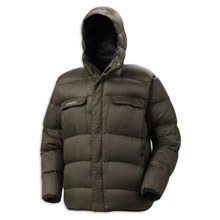
Well, last Christmas, Gwen and I were doing some painting in the studio. It was cold and we were wearing our jackets inside. Gwen leaned up against a window frame, and when she turned around, skunklike, she had two streaks of white going down the back of her one year old down-filled Columbia Sports jacket. Ha ha, she was mad! But I knew that before the winter was up that jacket would be on my back! And the two streaks down the back were just the kind of character I like in my clothes.

So, I was really happy. That jacket was warm, light, and looked cool on me. And one of the best things about it was that in addition to a standard zipper it had magnets sewn into the lining that automatically went together. So, if you were just going out for a short trip you just let the jacket button itself up with the magnets. It even came with a hood that snapped on and protected you all the way up to your nose with mess free magnets. It was the coat of the future, and it was going to be mine, all mine, as soon as Gwen figured out that it was going to impossible to get white wall paint off of a dark gray polyester jacket.
So, this winter, as the weather turned cold I reached for Gwen's old Columbia jacket which she had of course passed on to me. Little was I to know that it would also be my curse.

It started with one of my bank cards, which suddenly wouldn't work in the ATM. I didn't think much of it, applied for a new card, and went on with my business. Then it was my point-card from the supermarket, and then my credit card which stopped working. These things were happening a few weeks apart so I didn't really put it together. One day the key to the yoga studio, which is kind of like one of those hotel key cards, stopped working. I took it to the landlord, and they explained sometimes the keys lose their magnetic charge. They recharged it, but a few days later it stopped working again. I figured the guy didn't put a strong enough charge on it the first time and took it back. After just two days the studio key stopped working again, on the same day as another bank card, all of which was on a busy Tuesday when I had to pay rent and do a dozen things before going to my second job. It made an already stressful day unbearable.

I went to the bank to try and get yet another new ATM card, my number was 316, and the current number was something like 290. I was really frustrated and trying to think about what was messing up all my cards. Was my apartment in the middle of some kind of high voltage zone? Was someone trying to steal my bank information from a remote scanner? Maybe it was the Suica train pass scanner that I used to get through the train gates, didn't those idiots know they were erasing peoples' data!!? Someone needed to write them a nasty letter!

So I was sitting there, stewing, when I noticed the metal chain that attaches to my wallet was sticking to my jacket. I had actually noticed this many times, had even played with it sometimes, seeing how hard I had to pull to make the chain come loose from the magnets in the lining. But this time I really noticed. Metal chain. Magnetic coat. Erased magnetic data. Could it be? The magnets in the coat were so small. And it's not like I went around rubbing my credit cards against my jacket.

Still I decided to pay close attention to the jacket in relation to my wallet (the studio key is also attached to my wallet by the way) For the next few days I tried to take note of how the wallet was interacting with the jacket. It wasn't long before I was paying for some groceries at the supermarket when I saw it.

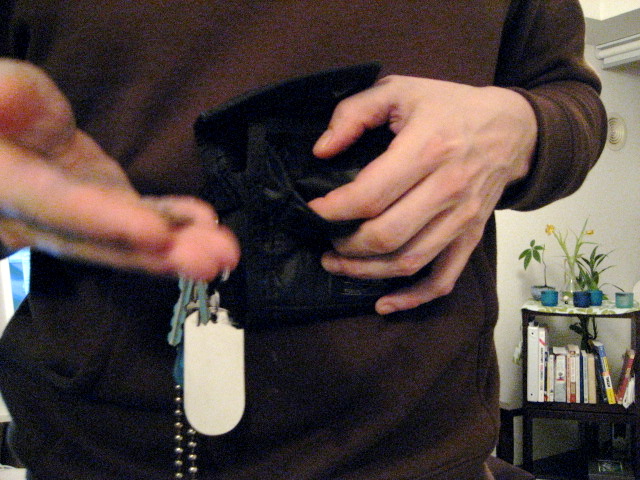
The cashier was handing me some change, which I was going to put in the change pocket of my wallet. But having only two hands, I was pressing the wallet against my chest to better open the change compartment. See picture below...
...thereby pressing all the cards and my key right against the magnets, anytime I got change. And it was happening more and more often as the winter went on because I was wearing the jacket more and more. Mystery solved. I stopped wearing the coat, put on some extra layers, and haven't had a problem since.

What does this have to do with anything? Strange as it sounds, that jacket taught me a lot. Here are some of the lessons of the jacket, from least to most profound.

  • Beware of shortcuts in life. Having magnets on my jacket saved me at most, 1 minute of zipping up during the winter I wore it. Contrast that to the 5 or 6 hours I spent replacing cards and keys during the same time. The same thinking applies to the time you "save" eating fast food, in relation to the weeks or years that kind of food will ultimately cut out your life with visits to the doctor and time in the hospital.
  • Learning to love long lines. It was at about this time, when I was spending hours in lines to replace my erased cards, that I heard a zencast podcast with Buddhist teacher Gil Fronsdal in which he talked about how waiting in line is a great time to just be happy in the moment. He said when someone says to you "Sorry to have kept you waiting" try saying "Please, don't apologize, I was enjoying just sitting here." Sounds cheesy, but it really worked for me and continues to take the stress out of waiting in lines.
  • Finding some "bells of mindfullness" in daily life. In some styles of Buddhism, when you go on retreat sometimes they will ring the bell at a few random times throughout the day. When you hear the bell, you quietly stop what you're doing, take a few deep breaths, and come fully into the present moment. And of course, if you do this several times a day the mindfullness seeps into your actions even without the reminder bell. In that period when I was trying to figure out how my jacket could be affecting my bank cards, every time I was wearing the jacket and had my wallet out I was paying close attention, and, without planning it, I was coming back to the present moment. The wallet/jacket combo was a bell of mindfullness that rang a few times a day. Some other ideas I've heard include being mindful: everytime the phone rings/ everytime you stop at a red light/ everytime you hear the jangle of your keys/ everytime you hear a police or ambulance siren/ everytime you wash your hands/ everytime you hear your new email signal/ everytime you see a baby/ everytime you see a Volkswagon Beetle/ everytime you turn on a light. Really it's up to your imagination. Just make sure it's not something that happens too frequently or infrequently. About 6 times a day is good.
  • The universe is not malignant towards anyone. At my most frustrated I was actually entertaining the idea that someone was tampering with my wallet just to spite me. As soon as I figured out that it was my jacket, all that outward directed anger evaporated. In her book Everyday Zen which I was rereading at the time of all of this, Charlotte Joko Beck gives us a great image. Imagine we are out on a foggy lake rowing our new boat and having a wonderful time. Suddenly, out of the mist, another boat comes straight towards us and we collide. At first, there is a lot of anger. "Look where you're going! I just painted this boat! Don't you have any sense!" But then we see through the fog that the other rowboat is empty. In a flash all of that anger is gone, and we immediately relax. "Oh well. Stuff happens. I'll just have to repaint it." Joko Beck's point is that all of the interactions we have in our lives are with empty rowboats. If a child kicks you in the shin, or someone lets you down, none of these things are attacks against you. It's just the universe playing itself out. To go around constantly feeling put upon is not only useless, but sends your stress levels through the roof, and makes others around you suffer. So when things don't go your way, remember how crazy you look yelling at an empty rowboat.
All of these lessons from a piece of outerwear! Truly, wisdom is open to us every day and in every thing. Just be open and ready to hear it, and for heaven's sake don't always hold your cards so close to your chest!

Patrick

Yoga Garden
Friday, December 15, 2006

Beginner's Mind

Recently I started looking around for a new physical discipline. My body is very accustomed to the rhythms and flow of yoga, and although I am far from any mastery of yoga I was feeling the loss of my "Beginner's Mind."
"Beginner's Mind" is a really important phrase in both my and Gwen's life. Like most people, we came across it from Shunryu Suzuki's book "Zen Mind, Beginner's Mind.""Beginner's Mind" on the surface has a simple meaning. Try to do things with the spirit of an absolute beginner. When a beginner approaches a task they don't have any assumptions about how it should be done. They look at everything with fresh eyes.

When I was a kid I used to hang out at the arcade. This was the early 90's; the golden age of the fighting game. Street Fighter 2, Mortal Kombat, and Samurai Showdown were the games we all came to see and be seen on. I was pretty good, and could beat most people who challenged me, but I remember that the hardest people to fight were those who had never played the game before. They just went crazy, smashing all the buttons and waving the joystick in all directions. None of my attacks worked because the new person wasn't playing right, there was no sense of timing, no special attacks, it was just random button pushing. In fact, when we veterans would get beat like that, we'd console ourselves by saying "don't worry about it man, that guy was just a button pusher."But you know, those button pushers had the most fun of any of us. They were just happy to see their character move around the screen and do cool stuff. That's beginner's mind. But in time they would learn about the special moves and combos and then they became really easy to beat, because suddenly they were trying to win.

So I asked around and researched and decided, in tribute to my youth as a video game brawler, to try a martial art. Originally my plan was a soft art to complement yoga, such as judo, aikido or even tai chi, which is based on martial arts. But I couldn't find a style that fit my schedule and location. I was asking my friend Kaz about it one day and he mentioned that he had seen a new karate dojo just down the street from the yoga studio. I checked out their poster and it was like "full contact!" all over the place in exploding font. With some reservations, I climbed up to the 3rd floor to check the place out.

Well, they were really nice, and after a few kicks and punches I was really into it. It was such a change from yoga, but not jarring. Instead of using the muscles for pinpoint control, I was using them for explosive power. But it's the same muscles, and the balance and breath are all similiar to yoga.

But a few things bothered me, especially "sanchin dachi." This is the basic stance in karate and looks like this:At first I just couldn't see how this could be a helpful way to stand. The knees and ankles are torqued like crazy, the joints are all out of line, and the spine is forced into an awkward compact curve. I kept widening my stance, and the sensei kept correcting me. After half an hour I realized that I was carrying over a lot of ideas about how the body should be positioned from my yoga experience, and that, even in my first lesson, I had lost my beginner's mind. So I relaxed, listened to the teacher, and didn't worry about why, just enjoyed the how.

Well, I've been practicing karate hard for a month now, and I can say the sanchin dachi continually surprises me. What I felt as unnatural torque in the joints is actually more like a wound up spring, and when you throw a punch (combined with a twist of the hips) you can powerfully release that energy. In addition, having your legs closed allows for easy blocks of low kicks.

That's just one small example of how letting go and not thinking so much has taught me more than forcing my preconceptions onto things. But the true meaning of beginner's mind is not about how to be good at any physical activity, but how to approach yourself. Beginner's mind ultimately means looking at everything, including your thoughts, without judgment, without endless commentary, without an overlay of the ego. It means to be in the moment, truly alive.

Hai Ya!
Patrick

Yoga Garden
Monday, November 27, 2006

Clock Time vs. Real Time

Hi all, sorry it's been so long since the last update. We have been busy with new teachers, new projects, and big changes.

One of the projects that kept me busy this month was my presentation at Yokohama International School's annual conference, "Bridging the Gap." You may remember (and you can check the blog archives) that we gave a yoga presentation at the same conference last year. This time, I thought it would be good to change things up a little bit, and decided to focus on Buddhist ideas rather than Yogic ones.

I'd like to outline here the first part of my lecture that day. It has to do with the way we perceive time. I started by asking the attendees what images came to mind when they thought of the word time. The first answer was, of course a "clock."

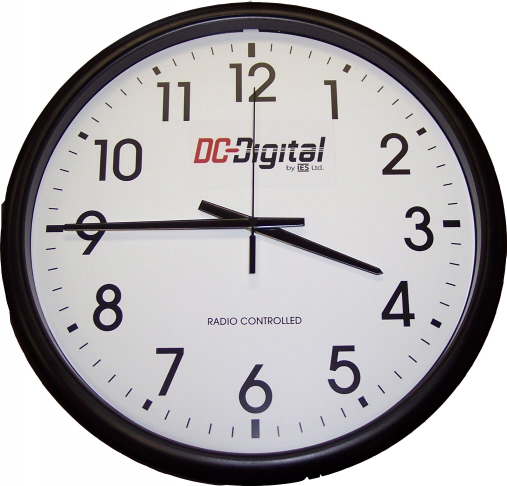
Clocks are very useful machines, but they have a way of distorting our perception of time. When you look at a clock, the present moment is just the smallest sliver of a line, and you get the feeling that the present is getting away from you, especially with the clocks that have a ticking second hand. "Tick-tick-tick-tick...." just the thought of it makes me feel stressed out, like time is running out. Stand in Shinjuku station and watch people running madly to catch a train on the Yamanote line. In a full sprint, they will sometimes knock people over to catch that train. The thing is, the Yamanote line has trains coming every two minutes. This is the end result of a culture that obsesses about time getting away from it. Always running, never feeling like there is enough time.

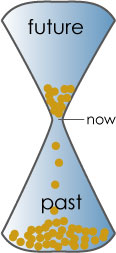
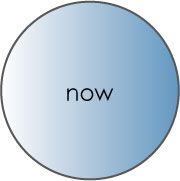
In the modern world it can sometimes seem that we are walking the tightrope of time, the past a huge, yawning space behind us, the future an immense fog ahead, and we are stuck on the smallest bit of now, marooned between two chasms. You can get this feeling by looking at one of the oldest ways to measure time, the hourglass...

Do you see how "now" is squeezed between the two larger sections of past and future? What a stressful way to think about the world! It's also completely wrong. This is the good news of buddhism. The present moment is the only moment that anything has ever or will ever happen in. For example, I am thinking now about the time I got my wisdom teeth pulled. That was about 5 years ago. But 5 years ago is an imaginary place. In reality, my brain is going through a electrochemical process to bring up that memory in the present moment. Similiarly, I am now thinking about my plans for the New Year holiday which happens in a month. But that New Year's Holiday is an imaginary place. The thoughts about it are happening now. All we have is now. And when you stop investing so much energy into the imaginary past and future, and instead focus on the very real present moment, you are practicing what buddhists call mindfullness. Accepting the moment for what it is without extra layers of judgement and comparison.

This is all kind of heavy stuff, so I find it helpful to use illustrations to make it more vivid. Let's revisit the hourglass from before, except this time we'll try to make an hourglass that reflects the true nature of the world...

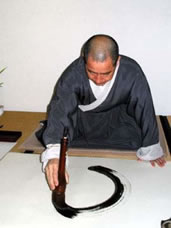
The past and future are the parts that should be squeezed out, not the now, in fact if you keep squeezing them smaller and smaller you'll get something like this...
look familiar?

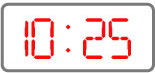
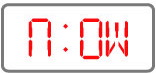
And how about that clock that was chopping up the present moment into impossibly small chunks? Well, I'm happy to announce you can now buy this clock from this online store.

Something special happens when you let go of the past and future, or more accurately, of the way things were and the way you want them to be. Instead of "I hope this rain clears up so I can go out" you arrive at "Look at the rain. It's so nice to be warm and dry inside right now." The first is a thought pattern of frustration, the second a pattern of thankfulness and compassion. Which would you rather spend your short time on earth experiencing?

The thing is, our world practically forces us into the past/future way of thinking. Every advertisement you see is selling you a future you, where you are happier and more complete (with the help of their product). To break out of this thinking requires a lot of effort. You can feel it in sports, where you focus completely on the task at hand, or in a hobby where your attention is completely absorbed. But there is a much more accesible way to gain access to the present moment. Just sit down, and stop doing so much. Stop doing anything at all. Sit and let your thoughts come and go, without grabbing on to them and chasing them around. Just be.
Welcome to the world of meditation.

So, what time is it right now? Remember, there is the imaginary answer...

and the real one...

Enjoy your now!
Patrick

Yoga Garden

Tuesday, September 05, 2006

Mindfulness Is Hard!

I often speak about the importance of mindfulness, that is, being in the present moment, and last week I experienced a good example of it.

I was beginning my meditation practice at around 6:00 pm. I sat facing out onto the veranda at the studio. As I prepared to do zazen I happily noticed that the sun would be setting during my meditation time, and I would have a chance to really enjoy the changing colors of the clouds. I was relaxed and comfortable, it was going to be a great sit.
As you may know we have a small reed fence on the studio veranda, and as I sat with it in front of me I noticed that the strips that hold it to the rail really needed to be clipped. You could see the ends of them hanging out over the balcony and it just didn't look well put together. The only problem was that it would be really hard to reach them. Once before I tried standing on a footstool and leaning over the rail but it felt pretty dangerous with half my body hanging out over the edge. The other option would be to climb over the fence and stand on the little outside ledge, that way it would be easy to clip the strips, but I would have to keep one hand on the rail at all times. Perhaps I could tie myself to it in case I lost my grip?

That reminded me of a similiar situation when I was in boarding school in North Carolina. My freshman year I lived on the second floor next to my friend John, and during study hall we would open our windows and talk to pass the time. One day John had locked himself out of his room. I don't remember why now, but it was really important that he get back in there quickly. Fortunately, he had left his window open, and I proposed that I just hop out on to the ledge of my window, shimmy over to his window, jump into his room and open the door from the inside. We decided this was a good plan. Sure, it would have been a 20 foot fall, but the infirmary awning would catch most of my weight and I wouldn't break any bones (probably).

So, I clambered out onto the ledge, and just as I was about to make the tricky transition to John's ledge, I hear "Mr. Reynolds, get off of there this instant!" It was the headmaster. Of all the times in the day, he had chosen that instant to take his poodle for a walk around the back of the dorms where no one ever goes. "Stay in your room, I want to have a serious discussion with you! There will be consequences for this!"

Meanwhile, John was freaking out. He had never been in trouble in his life. He said he was going to get kicked out of school for "aiding and abetting." He actually used those words, and he was rolling around on the floor holding his stomach because he was so nervous.

Anyway, we got in a little trouble, but nothing too serious. And now we all laugh about this story. I was sitting there with a big grin on my face just thinking about it.

Oh, right... sitting. Suddenly I snapped back into the present. The room was the same, the fence needed to be clipped, and, it was almost dark outside. Almost dark! I had missed the sunset entirely. In one way I remembered seeing its golds and reds and purples, but instead of looking at it with mindfullness I had played this old memory over it.

My meditation was a perfect example of the two directions our minds spin out into. One was the future, where I made all those plans to clip the strips off. The other, the past, a home movie we watch over and over and somehow never get tired of. How easy it is to slip into these two imaginary places. All it took for me was looking at a ledge!

Now maybe you think what's the big deal? Plans are exciting to make, and memories, especially good ones like the one I had, are pleasant. The problem is not in the plans or memories, it's in what you miss while you are daydreaming. That sunset will never be repeated, and I missed my one shot at really appreciating it. Maybe one sunset is not such a major loss, but think of all the beautiful sights and wonderful people we miss everyday of our lives when we live without mindfulness.

Something for everyone to think about!
Patrick

Yoga Garden
Tuesday, August 01, 2006

Our Message of Peace

Check out the summer issue of Yogini, you might see some friendly faces somewhere in there!
Yep, that's us! The magazine asked us to design and make a T-shirt with our message of peace for the world. Gwen and I knew almost immediately what our message would be.

Be Peace

"Be Peace" is so simple and catchy that it runs the risk of just sounding like a new-age catchphrase, along the lines of "be here now" or "it's all one, dude." I had an English professor who said that the best poems are those that are bigger on the inside than on the outside, and I think this phrase is the same.

Before I go on, please go to this site and watch the video if your computer can play flash. It is a short feature with narration by Thich Nhat Hanh and his philosophy about being peace. Thich Nhat Hanh is the one who taught us this phrase and despite our efforts we couldn't give him a shout out in the Yogini article.

I think that almost anyone you ask will say that they want to change the world for the better. It's easy to get wrapped up in the activist parts of improving the world, things like signing peace treaties, building wells with clean water, destroying nuclear weapons, or protecting the environment. At my university it was almost impossible to walk across campus without getting a leaflet about how you could join a protest, sign a petition, or boycott a product. These things are certainly good, but from a buddhist perspective, not very important.

Buddhism is strange like that, things are always opposite of what you expect. All these things we try to do to bring peace into the world will not be much help unless we are peaceful within ourselves.

When I was an aid worker I noticed that the volunteers who enacted the most long lasting change in their communities were the ones who seemed to have themselves sorted out. Many people, including myself, tried to just push projects through, and the results were never pretty. Maybe I will go into it more in another blog, but basically a project that required a lot of doing by the volunteer ended up neglected, misunderstood, and ultimately unsuccesful. However, there were some volunteers, who had something that made their communities trust and respect them. It was something that translates across languages and cultures, and that is a solid, quiet, sense of inner peace. Volunteers who were really there in the community, not running around trying to fix everything, got so much more done! And it didn't require a lot of outward effort. They didn't make peace, they were peace.

We can't all go do aid work in Africa, nor do we need to. A peaceful person spreads peace to every person they encounter, just as an angry person spreads ill will. So if you are the kind of person that wants to make positive change in the world, forget all those protests and petitions for a while, and concentrate on really being ok with yourself. Yoga and meditation will help! But the most important thing is to appreciate the moment you are in and the people you are around, without striving to make things the way you think they should be. That's the definition of peace, and it's not something you can do, it's something you can BE!

Peace,
Patrick


Yoga Garden
Tuesday, May 30, 2006

Fight!

Last week Gwen and I were sitting in a cafe, mapping out the summer and fall events at Yoga Garden. We had snagged one of the elusive window seats with the big chairs, looking out at an intersection near city hall. Gwen saw this first, and from what we pieced together after this is what happened.
A salaryman was waiting at the corner for the light to change, and another guy in a windbreaker on a bicycle clipped the salaryman. The salaryman started yelling at the windbreaker guy, and kicked the bicycle. The windbreaker guy cuffed the salaryman on the back of the head, and at that moment the salaryman sensed this guy was a loose cannon and walked away cursing. The windbreaker guy threw his bicycle to the ground and stalked after the salaryman with a murderous glint in his eye. At that point they had walked out of the sightline of the window to the sidewalk in front of the building.

Gwen and I had a choice then, although things happened so quickly we didn't really recognize it as that. The incident had happened outside, through a window, and the two men were now in the front of the building, where there were about 20 other cafe customers, a park, and a busy sidewalk. It was out of our hands, right?

If you've spent any time in a psychology class you'll have heard of the "bystander effect." The idea is that in an emergency situation where someone is in danger, the more people that are around, the less likely that anyone will help that person. There are many famous (and sad) cases, where someone is attacked in a very public place (an apartment buildings front steps, on a busy bridge) and no one stops to help or even call the police. I had a psychology teaching assistant, who once, in the middle of the lecture, was suddenly attacked by another teacher. The attacker threw him to the ground and they kicked and fought their way out into the hall. In our lecture room of about 100 people, no one moved a muscle, we were frozen in our seats. The teaching assistant came back in a few minutes later and revealed that it had all been an act, and that frozen, "what's going on?" feeling was the bystander effect. This effect happens to everyone, no matter how "good" or "brave" a person you are.

But what was interesting in this story is that Gwen and I didn't really think about it, and went into action. I went to the front of the building while Gwen got the staff to call the police. Out on the sidewalk, the windbreaker guy had just caught up to the salaryman, and all the cafe patrons were watching them swear and scream at each other. The windbreaker guy suddenly grabbed the salaryman by the throat, threw him into a bush, and was squeezing his windpipe with one hand and strangling the salaryman with his own tie with the other! I ran over to them and pulled the windbreaker guy off the salaryman, but his grip on the necktie was so tight that all three of us kind of lurched out of the bush. I told the attacker to relax, that it was a small problem, nothing to get upset about, and peeled his fingers off the necktie. The two men were eerily quiet, just staring at each other with hatred. I was afraid to let go of them, or they might start trying to kill each other again. The police arrived shortly and broke it up, took all of our statements, and that was that.

I was thinking about it later, about how it had been a perfect example of the bystander effect. There were a dozen people closer to the guys than we were, but no one else moved a muscle, just like that psychology class. What made Gwen and I act so decisively? Neither of us is particularly brave or eager to "save the day," and we don't even speak Japanese that well, especially all that emergency vocabulary that you should learn but never bother to. Like everyone else there, we just wanted to relax and enjoy our coffee. What I concluded is that the difference between us and the rest of the crowd there is that we do a lot of yoga and meditation.

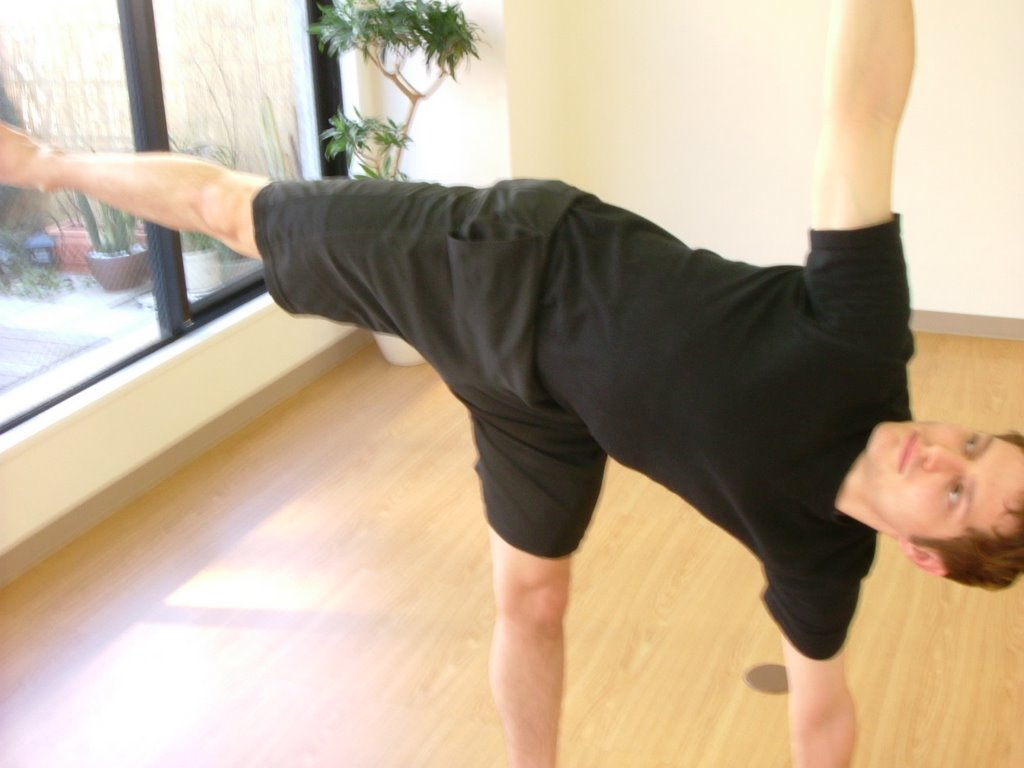
One of the lessons of yoga is to relax and accept unfamiliar situations. In half-moon pose, for example, your body weight is one hand and one leg. Your body wants to come down and touch the floor with another limb for stability, and, if you are new to the pose, that is exactly what happens. But, after a few tries, you find that relaxing, breathing, and accepting the strange position makes it much easier. If you do poses like that a few times a week, maybe your brain structure starts to change, and instead of an instinct to run away or deny strange situations, you stay with them and see where they lead.

The other thing is meditation, which teaches you to be in the moment, not clinging to the past or future. When I saw those guys my only thought was that I had to stop them in that moment. It made doing the right thing very natural and easy. Again, I want to stress that I am not a particularly good person! My reaction was just different from the other people there.

Buddhism teaches the 8 fold path as a method to overcome suffering and make your way on your spiritual journey. The 4th limb of this path is "skillful action," that is, using the energy of your actions skillfully, to bring about understanding and to do no harm. One of the nice things about meditation and yoga is that they change you on a very deep level, slowly and over time. It doesn't require much rigour, just small, daily steps. And you'll see changes in yourself, sometimes very suddenly, as I did when I was pulling that oxygen deprived business man from the bushes. So keep practicing everyone! If you like, consider it training for the time when you will need to act decisively, skillfully, and for the good of someone else.

Patrick

Yoga Garden

Monday, April 24, 2006

Getting to the Bottom of Sanskrit

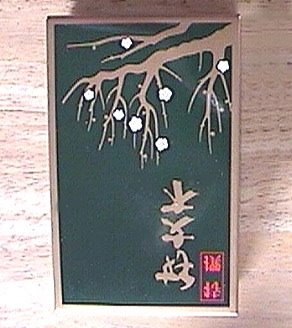
When I was going to high school in England, I had a Japanese friend named Michiko. Michiko had a really nice host family and one weekend we went over to see them. A few weeks before our visit Michiko had given them some presents from Japan wrapped in beautiful gift boxes. The family was so taken with the boxes that they had made a kind of display of them high on a shelf in the sunroom. They asked Michiko what she thought of the display and she said "It's really nice, except that they're all upside down."To the family, the elegant kanji on the box was like a pretty abstract picture, not actual writing. (I also heard a story once from someone in my Japanese class at university whose friend had the kanji for fire tattooed on his arm... it looked pretty cool, except that it too was upside down.)

I see the same thing happening sometimes with Sanskrit and yoga. First, some history.
Yoga (not just poses, but the whole philosophical system) has been around for at least 5000 years. But the yoga we are most familiar with was codified by a guy named Patanjali about 200 CE. (by the way, CE means "common era" and is the hip way to say AD) Patanjali wrote his text "The Yoga Sutras" in the academic language of the day, Sanskrit. (To learn more about the history of yoga click here)

It would be misleading of me to say that Sanskrit was a common tongue 2000 years ago. But from what I understand, in south-east asia it was the language of learning and religion, much like Latin in Europe. So Patanjali and most of the great philosophers wrote stuff down, including the names of the yoga poses, in Sanskrit.

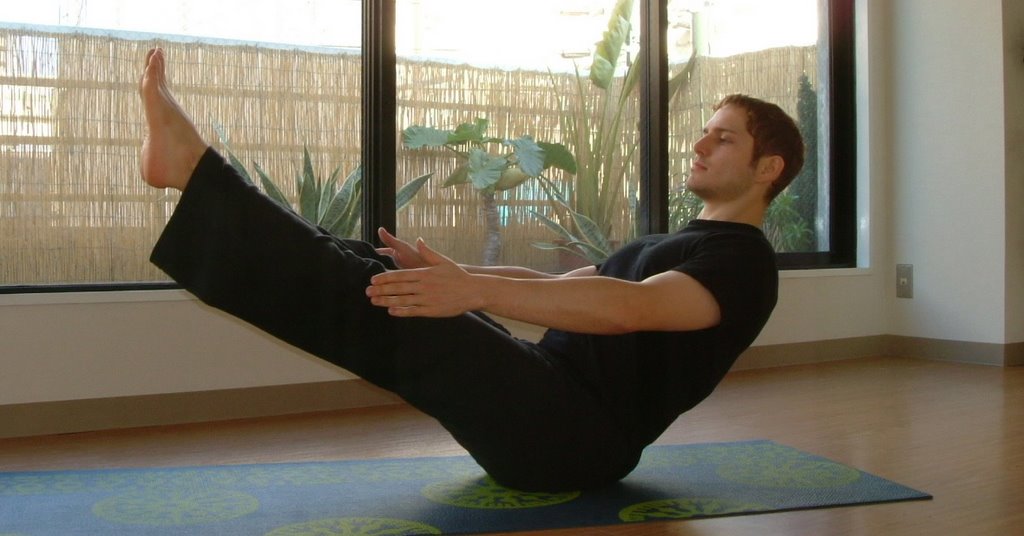
So let's take a pose with its sanskrit name, for example, Paripurna Navasana. There is something very alluring about the name in its original language, the double Ps and the silky way Navasana rolls off the tongue. It's exotic, it makes you feel like something big is happening.

But let's come back down to earth and look at the Sanskrit word for word.
paripurna means "complete" or "full"
nava means "boat" asana means "pose" or "form" (in Sanskrit, there is a complete liason between vowels, so nava asana becomes navasana)And there you have it in plain, practical, boring English... full boat pose. It's easy to get involved in the beauty of the ancient language, but we run the risk of being a little silly, like Michiko's family gazing at upside down boxes. Face it, this pose looks like a boat! And when you do it, having the image of a boat bobbing in the water really helps. (By the way, if you ask someone doing this pose what they would like to call it, they'll tell you call it whatever you want, just let it be over!)

So, teaching yoga in Japan, I try to use Japanese names for the poses as much as possible, based on the original Sanskrit. I want my students to know that nothing exotic is happening during the poses, and to really get the idea of the form. Bhujangasana sounds really cool, but it won't get a student to press their hips into the mat like "Cobra Pose" will.

The person who really brought me around to this way of thinking is Thich Nhat Hanh. When we went to his retreat a few years ago there wasn't a word of Vietnamese or Pali the entire time. All the chants, songs, and meditations, except for "Om" were in English. And a lot of people there were dissapointed at how "ordinary" everything was. At the end of the retreat, if you took the 5 Mindfullness Precepts, you were given a dharma name in English. (My name is "Silent Breath of the Heart" and Gwen's is "Lovely Teacher of the Heart") One of the women in our group asked the monk "Can't you tell me my name with the Vietnamese version? I bet it's beautiful!" The monk smiled and explained that he could, but that he would not, and gave the argument that I have outlined above, that these names are to help us, not distract us. Now, years later, I still remember most of the chants from that retreat, because they were in English.

So, in yoga, by all means study and learn the Sanskrit, but don't be fooled into thinking that these foreign words make the practice any more exotic. For Patanjali these names were nothing special, they were just a way of describing the shape of the body. Like zen, yoga is nothing special, and once you accept that you'll really start going places!

Namaste (namas=I bow, te= to you!)
Patrick

Yoga Garden

Thursday, March 23, 2006

Please See the Attachment Below...

Greetings from America! My trip here is halfway over, and I finally found some time to share an experience I had on the way here.

For this trip to America, one of my grandfather's friends generously let me use one of her "buddy passes" that she receives each year thanks to her husband's long years of work at the airline. If you've never heard of these, here's how they work. You don't get a ticket for the flight, you fly standby, meaning you show up after all the other passengers have checked in. And if there's a free seat, you get it for a great price. The beauty of the buddy pass is that if that free seat is in business class, you fly business class, no questions asked. In fact, the only way that you don't get business class is if it's full (which is rare) or someone else with higher priority uses a buddy pass and takes that seat.

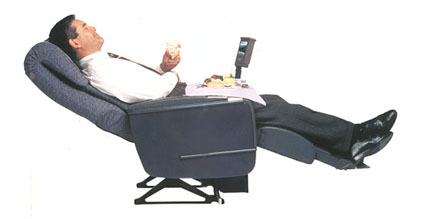
Tokyo to Atlanta is a long flight, and for weeks I had been imagining myself living it up in business class like this:
Feet up, drinking champagne, and choosing from a wide variety of movies and menus offered to only the most valuable customers, people who deserved it. People like me.

The day of the flight came. All the regular passengers checked in, and there were 6 of us waiting for standby tickets. We were told that there were three seats in business class available, but that some of us would have to fly economy class. I looked at the others with pity, poor sods, having to sit in economy while I enjoyed my luxurious 12 hours in the front of the plane. The tickets were passed out... I glanced at the ticket, gate 94, seat G32, class... Coach.


The horror! How could this have happened? There must have been some mistake. Those two ladies with the paisley baggage must have cheated me, or maybe someone slipped the check-in person some cash in his passport... the check-in lady seemed to know one of the people, she probably bumped me so her little friend could ride. Someone will pay for this!!!

Seriously, these were the thoughts that went through my head as I trudged through security. I had fallen into a trap. The trap of human life... attachment.

Attachment is a very poor translation of the Pali word samudaya. Many people use the word clinging or grasping instead. None of these three words really captures the tone of samudaya, so I'll just use attachment as it has become kind of a standard in Buddhist texts. Attachment is simply giving energy to the idea that you own something, deserve something, or don't want to lose something. According to Buddhist philosophy, it is attachment that is the cause of all human suffering.

We all have ideas about how the world should be. We and our loved ones should have long, happy lives, we should have enough money, we should be rewarded for our work. If we have these things, we should be happy, if we accomplish our goals, we will feel satisfied at last. These are the biggest of our attachments.

Of course, everyone comes with their own set of personal attachments. Have you ever seen a picture of yourself and thought "that's not how I look!" That's the attachment to your projection of yourself speaking. In yoga people often get frustrated that they can't do certain poses... this too is attachment to the "right pose" or "good flexibility." Or maybe you have your eye on a shirt in a store, and you tuck it in the back of the rack so no one else can get "your" shirt. In reality, it wasn't "yours" until you formed the attachment to it.

Well, needless to say, I had been nurturing this attachment to my "dream flight" for a few weeks, and when the reality turned out to be different, it really hurt! And my first reaction was be angry, to blame, and to see enemies all around me. Even with a Buddhist background informing me of exactly why I felt like that, it took me an hour to get over it.

And here is the real danger of attachment. During that 60 minutes I lost all sense of gratitude for my chance to travel to America for a great price. I forgot that I would get to see my family soon, and that I have the opportunity to travel around the world and have adventures. And I'm sure during that hour I wasn't particularly kind to the security workers, the check-in people, the flight attendants, or the passengers next to me. Attachment spreads suffering liberally!

Anyway, I have the same chance to fly business class on the way home in a few days. But this time I will go to the ticket counter with a much more sane mindset. If I get business class, great! If I don't, then that's also great. Life is great. The present moment is always there, real and accesible, if we can just let go of things enough to see it!
See you soon!
-Patrick

This is only the surface of the four noble truths of buddhism. If you want to learn more this is a nice link.

The best way to get your head around these ideas is to meditate. Come by any Sunday at 6pm for free zazen!

**PS . I didn't get business class on the way home either, but I was lucky enough to have the seat next to me be unoccupied. Without the expectation of a great seat, this small fortune seemed even better.

Wednesday, February 15, 2006

Oryoki for Busy People

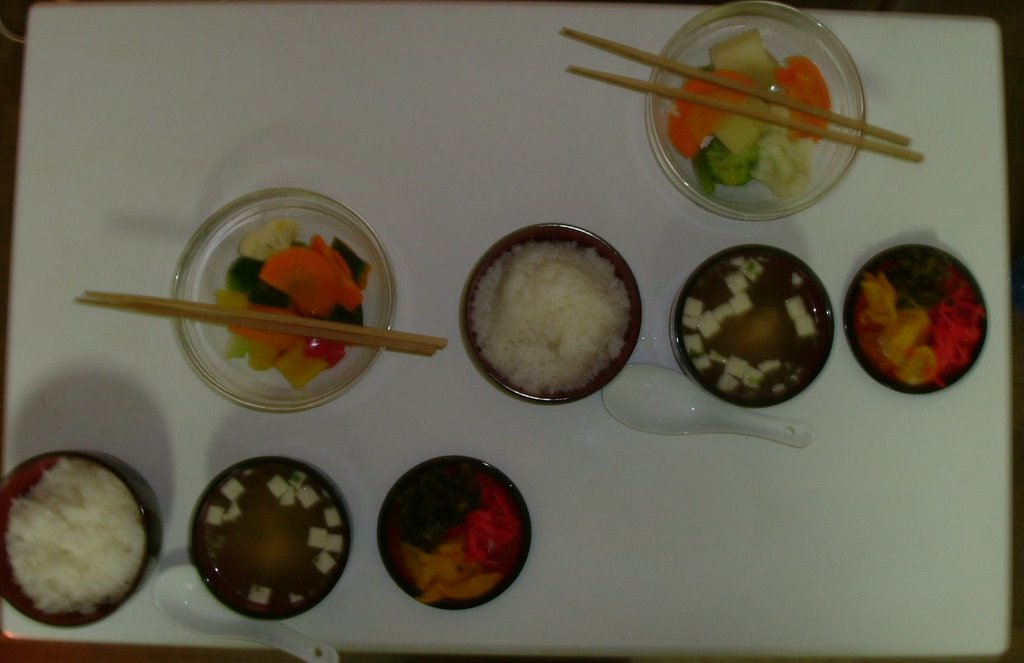
Oryoki is the name for the zen-monk's style of dining. A usual meal consists of three bowls. A small bowl for miso soup, a medium size for rice, and a large bowl for the main dish, which consists of light, in-season vegetables. (A small saucer of pickles is optional.) We bought this great book about it a few years ago which explains a lot more about the philosophy behind oriyoki.

While Gwen and I were on a zazen retreat last summer, we noticed how much healthier and lighter we felt on the 3 bowl diet. I don't know why, but the balance between carbs, protiens, hot, cold, plain and flavorful is just perfect for settling the mind down. After that, we determined to eat "monk food" a few times a week.

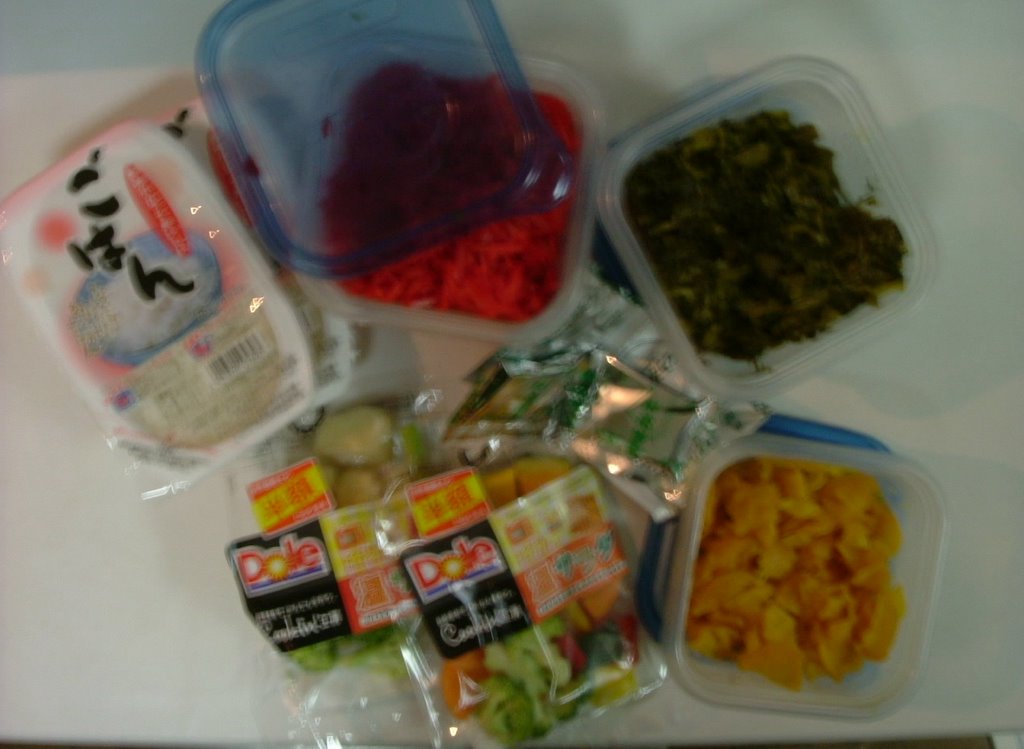
But, of course, life gets busy, and it's easy to wander into a restaurant or fast food place when you're hungry and the grocery shopping hasn't been done. So, it is in the spirit of compromise that I offer the modern, microwaveable, 3 bowl meal.

You can see in this picture 2 packages of microwave rice, two packages of instant miso, two bags of pre-cut microwaveable vegetables, and three varieties of pickles conveniently stored in plastic tubs. And seven minutes later...

a balanced, nutritious, and possibly radioactive, meal. Itadakimasu!

P.S. Recently I went on a Zen retreat and made this movie about the Oryoki tradition. Check it out!

Patrick

Yoga Garden

Monday, January 23, 2006

Have You Downgraded Recently?


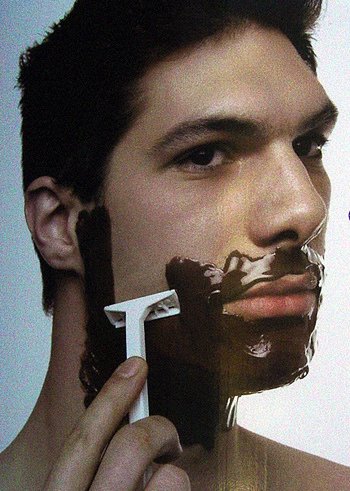
This week I was in the store. I needed some new razors. In case you're not up to speed on the latest razor technology, I'll tell you what's out there. There's the Mach 3, a 3 bladed razor, which is what I was using. And there's the Mach 3 Turbo, which has a lotion strip I think, and then there's the Mach 3 PowerMax or something like that, which I hadn't seen before. This one really freaked me out because it has a button on the top that makes it vibrate. I mean, this thing is vibrating hard. It almost hurt my hand to hold it! I guess the idea is that the vibe-motion gets the beard hair better. And next to all that was the Quattro, with 4 blades. Upon further research when I got home I discovered the Quattro not only promises a clean shave, but an entirely new lifestyle! And they were so expensive, about 1200 yen for 4 razor heads.

Now, for those of you who haven't met me, I am not exactly hairy. My best attempts at facial hair growth (while in the Peace Corps) resulted in a fine wispy halo of hair around my jaw, and an ugly moustache! I was standing there thinking, what do I need 3 razor blades on one razor for? Sure, I like a clean shave, but this is getting ridiculous. Next year they'll probably come out with something with 5 blades that also harvests wheat. That's when, out of the corner of my eye, down at ankle level, I saw the Gillette Sensor. That was the first razor I ever had, in high school. It had 2 blades and it worked great. Not much has changed about my facial hair since high school. And the Sensor came with more blades for half the price. And it looks cool. Kind of art deco design. I bought it, and threw out my old Mach 3.

It was a freeing experience, to actually downgrade something in a world that is always pushing the newest model. Try it this month, find some small thing that is complicating your life and choose a simpler option.

In Buddhism, there is a lot of talk of the "middle path." The Buddha is famous for rejecting a life of princely luxury, but he also rejected the overly austere life of the ascetic. The Buddhist prescription for happiness revolves around navigating between these extremes, and my little razor, with more than 1 blade, and less than 3 (or 4), is a reminder to me of that each time I see it in my bathroom.

Happy Simplifying!
Patrick

Yoga Garden

***Update, February 7, 2006. I am not kidding, just three weeks after I wrote this blog Gillette started selling it's next-gen razor, the Fusion. Also, I ran across this Onion article from 2 years ago that predicted the whole thing. (May not be suitable for kids)

Friday, December 09, 2005

Zazen Comes to Yoga Garden

You may have read the post from a few months ago when Gwen and I went to the zen retreat in Shizuoka. For us, there is no denying the benefits of seated meditation, and we have wanted to give this option to our students and guests for a long time (and do more ourselves).

So when I made my vision map (read post below) one of the things I imagined was bringing more meditation into my life and the lives of people around me. The very next day, Yoga Garden was given a generous meditation donation from In Control accounting services, a business run by one of our students. With these funds, we were able to purchase enough zafu (meditation cushions) to host a group of meditators, and I am happy to announce that we are offering weekly meditation on Tuesday nights! Please come by if you can, there is no charge.
To read more about it, click here.


Patrick

Yoga Garden

P.S. I recently made this video about how to start a zazen practice. Check it out!

Thursday, September 15, 2005

Zen and Yoga


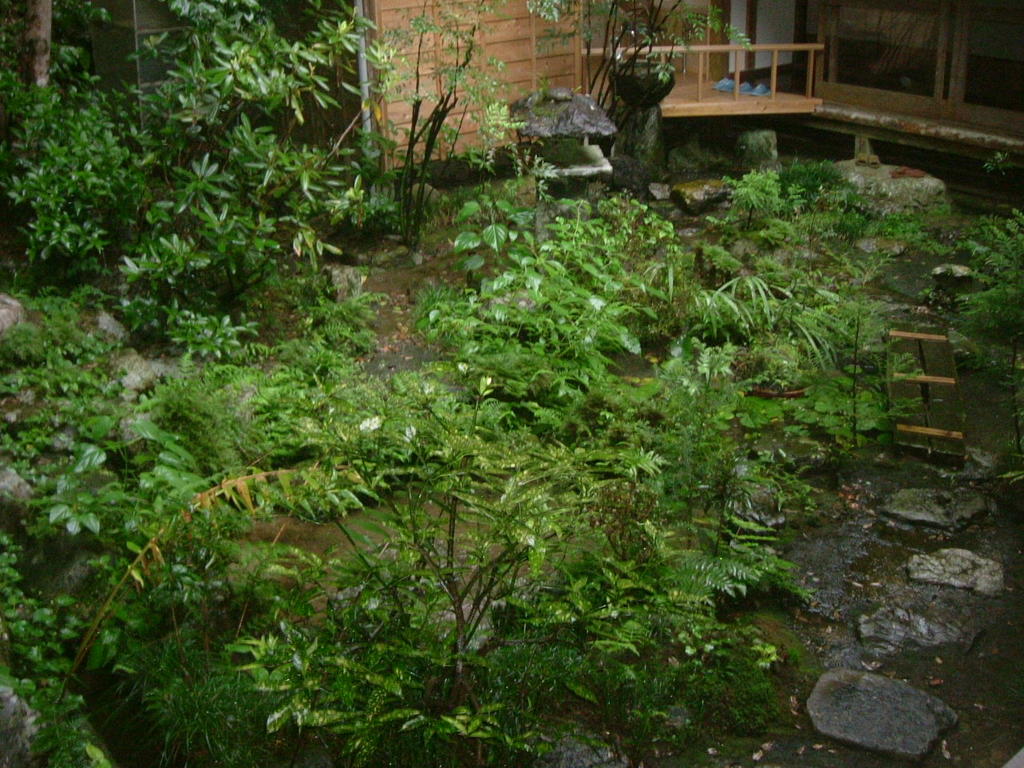
temple garden
Last week Gwen and I went to a 3 day zen retreat near Shizuoka city. It was held at a temple called Tokei-in, which is one of the places Shunryu Suzuki taught at before he went to America. I've been into zen since high school and have recently been thinking about how yoga and zen can be used together. After the session, I solidified my ideas a little more and I'll try to express them here.
How Zen and Yoga work together.

1. The basic sitting posture for zazen meditation is full or half lotus. This posture comes from the asana tradition that has been around five thousands years. So basically, Buddha was struggling to become awakened, and one of the things he remembered was this yoga pose he had done once that made him feel very stable and centered. So at their root the two practices are connected.

2. Many of our students say that one of their favorite things about yoga is that, during a pose, their thoughts drop away and they are totally in the moment. This is the same "no-mind" that zen encourages as well.

3. Back when the monks were living in the temples, they had a lot of manual labor to do during the day, which they approached with the same mindfullness as their meditation practice. So they got a daily dose of physical activity which complemented their seated meditation. But now people work in offices at desks all day, getting no physical excercise, and then go home and try to do some more sitting in zazen. I think yoga is a good substitute for the neccessary physical labors of the past. Only sitting will make your mind too squirrely, I think.

4. Sitting in zazen is physically taxing, as it requires long periods of stillness in a difficult posture. I see yoga as a perfect preparation and post-zen activity, to loosen and awaken the body.

There is a big divide in the alternative therapy world between "meditation" and "excercise." I think you need both to be as healthy as you can be. In the global age we have the chance to discover these different schools of thought, I hope we can keep finding ways that they overlap.

Patrick

Yoga Garden